
Introduction
Carbohydrates and Type 2 Diabetes. There is extensive research showing that a low-carb diet leads to rapid, healthy weight loss. (Guo et al., 2022, pp. 518-525) Human beings are overweight and obese more than ever before. (Prevalence of Obesity, 2024) Additionally, type 2 diabetes has become much more of a problem now than it has been in the past. ((NCD-RisC), 2016, pp. 1513-1530) One key factor contributing to these trends is the highly processed meal plan that many people in modern, westernized countries regularly consume. (Levy et al., 2021, pp. 3608-3614)
To clarify, the simple carbs found in the Standard American Diet (SAD) are closely tied to several health risks, including overweight, obesity, diabetes, heart disease, and cancer. (Carbohydrates, 2023) The main takeaway: replacing "bad" carbs with "good" carbohydrates may help avoid these conditions. (McRae, 2018, pp. 44-53)
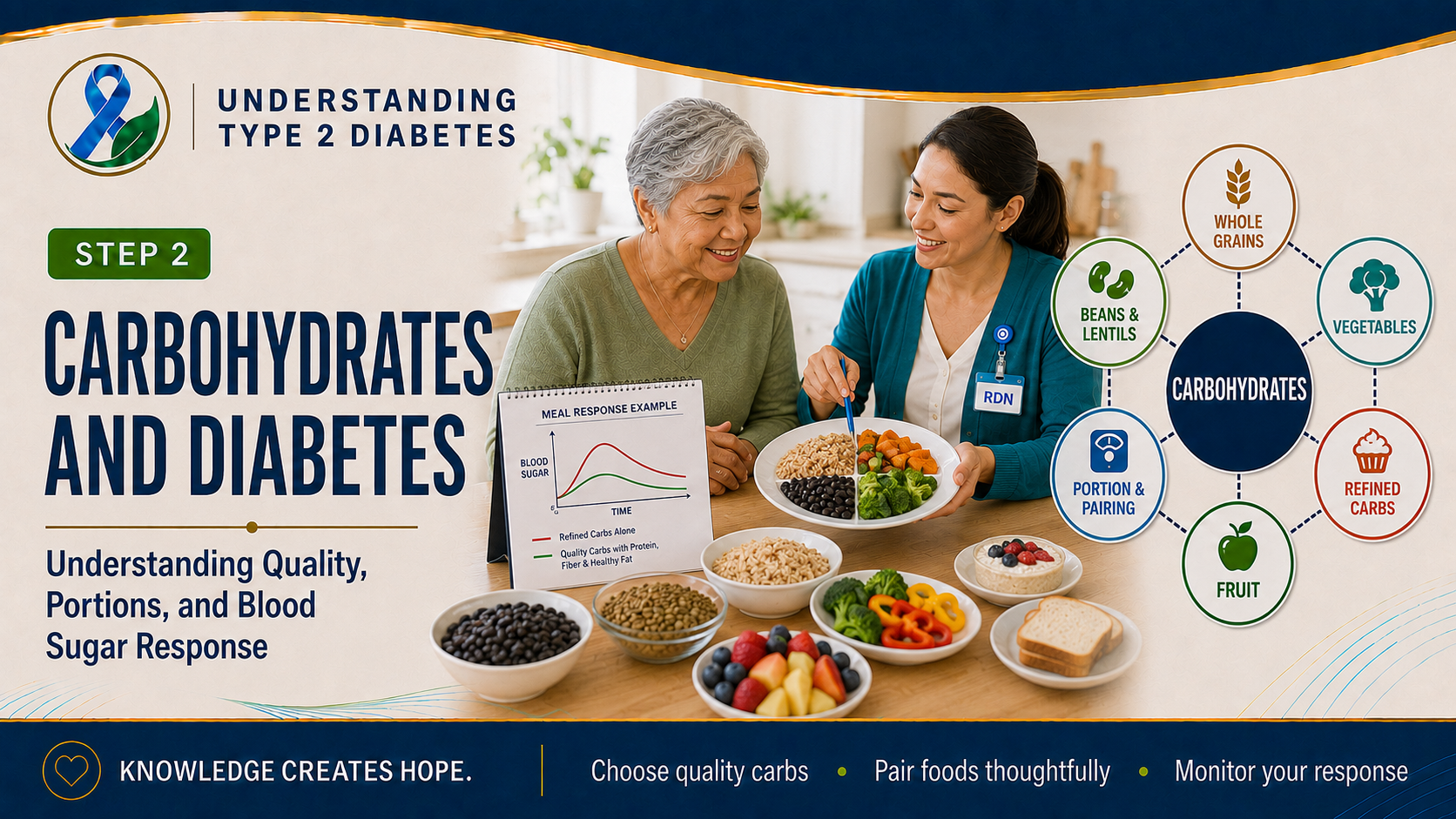
Are All Carbs the Same?
Let's explore the variety of carbohydrates and what sets them apart.
In the 1970s and 80s, Hollywood churned out "evil twin" TV series episodes by the dozens. From Knight Rider to Star Trek, Bonanza to The Bionic Man and a long list of soap operas, a mustache, beard, or simple hairstyle change was all that was needed to turn a hero into his or her otherwise identical-looking villain.
So, what does that have to do with carbohydrates and diabetes?
This analogy can help explain the crucial differences between types of carbs.
Simple Carbs Are Mostly Bad Carbs
Simple carbohydrates are absorbed quickly into your bloodstream due to their simple molecular structure. (Wright et al., 2003, pp. 943-956) This means your body rapidly breaks down the nutrients, but most foods high in simple carbs lack essential nutrients.
While simple carbs found in foods like soft drinks, white rice, white bread, and cookies are high in sugar, they usually lack the nutrients your body needs for good health.
Sugar, a simple carb, is quickly processed into glucose, your body's energy source. Excess glucose causes blood sugar spikes, which both diabetics and non-diabetics should avoid. (Staff, 2024)
Many processed and sugar-heavy foods can easily raise blood glucose levels. By replacing these bad carbs with good ones, you support diabetes management. (Choosing Healthy Carbs, 2024)
Complex Carbs Are the Good Carbs
Complex carbohydrates take longer to break down, which aligns with how our bodies are designed to digest food for health. (Müller et al., 2018) They are rich in nutrients your body craves.
Complex carbohydrates are often plant-based foods that are also high in fiber. This is particularly important for diabetes management because fiber helps maintain a healthy weight, lowers cholesterol levels, controls blood sugar, and reduces your risk of heart disease. (Fiber: The Carb That Helps You Manage Diabetes, 2024)
Good carbs take longer to digest, helping you feel full and supporting healthy weight management for everyone. (Wanders et al., 2014)
Complex carbohydrates are in abundance in fruits and vegetables, nuts, and whole grains.
Eat fruits and vegetables fresh, raw, or lightly cooked to get healthy complex carbohydrates and essential nutrients your body needs for diabetes prevention and management. (Choosing Healthy Carbs, 2024)
Conclusion
Key takeaway: Carbohydrates, when chosen from whole, fiber-rich, and minimally processed sources, play a vital role in stabilizing blood sugar, improving insulin sensitivity, and supporting metabolic health. (Fiber: The Carb That Helps You Manage Diabetes, 2024) Focus your diet on whole grains, legumes, fruits, and vegetables for the best results.
Author's Note
This article aims to provide a clear, science-based perspective on carbohydrates and diabetes. Many misconceptions surround carbohydrate intake, yet research consistently demonstrates the benefits of whole, unprocessed foods. The intent is to empower readers to make informed, practical choices about nutrition and health.
---- Robert
Continue The Conversation
Every wellness journey is unique, and we can learn a great deal from one another's experiences.
What stood out to you in this article?
Have you faced similar challenges, discovered helpful strategies, or gained insights of your own?
I invite you to share your thoughts in the comments below. Your experience may encourage someone else who is taking the next step on their own journey.
Remember, meaningful change often begins with a single step—and none of us has to walk the path alone.
Reference List
- American Diabetes Association. Healthy Eating & Carbohydrates.
- Harvard T.H. Chan School of Public Health. Carbohydrates and Blood Sugar.
- National Institutes of Health. Dietary Fiber and Metabolic Health.
- Centers for Disease Control and Prevention (CDC). Diabetes and Healthy Eating.
- Mayo Clinic. Whole Grains: Why They Matter for Blood Sugar Control.
- World Health Organization. Healthy Diet: Carbohydrate Quality and Chronic Disease Risk.
- Guo, H., Wang, L., Huang, X., Shen, F., Lu, Y., & Zhang, P. (2022). Effects of low-carbohydrate vs low-fat diets on weight loss and metabolic risk factors in obese/overweight individuals with impaired glucose regulation: A randomized controlled trial. Asia Pacific Journal of Clinical Nutrition 31(3), pp. 518-525. https://doi.org/10.6133/apjcn.202209_31(3).0018
- (2024). Prevalence of Obesity. World Obesity Federation. https://www.worldobesity.org/about/about-obesity/prevalence-of-obesity
- (NCD-RisC), N. R. (2016). Worldwide trends in diabetes since 1980: a pooled analysis of 751 population-based studies with 4.4 million participants. The Lancet 387(10027), pp. 1513-1530. https://doi.org/10.1016/S0140-6736(16)00618-8
- Levy, R. B., Rauber, F., Chang, K., Louzada, M. L., Monteiro, C. A., Millett, C. & Vamos, E. P. (2021). Ultra-processed food consumption and type 2 diabetes incidence: A prospective cohort study. Clinical Nutrition 40(5), pp. 3608-3614. https://doi.org/10.1016/j.clnu.2020.12.018
- (2023). Carbohydrates. American Heart Association. https://www.heart.org/en/healthy-living/healthy-eating/eat-smart/nutrition-basics/carbohydrates
- McRae, M. P. (2018). Dietary Fiber Intake and Type 2 Diabetes Mellitus: An Umbrella Review of Meta-analyses. Journal of Clinical Medicine 17(1), pp. 44-53. https://doi.org/10.1016/j.jcm.2017.11.002
- Wright, E. M., Martín, M. G. & Turk, E. (2003). Intestinal absorption in health and disease--sugars. Best Practice & Research Clinical Gastroenterology 17(6), pp. 943-956. https://doi.org/10.1016/s1521-6918(03)00107-0
- Staff, M. C. (2024). Hyperglycemia in diabetes - Symptoms and causes. Mayo Clinic. https://www.mayoclinic.org/diseases-conditions/hyperglycemia-symptoms-causes/syc-20373631
- (2024). Choosing Healthy Carbs. Centers for Disease Control and Prevention. https://www.cdc.gov/diabetes/healthy-eating/choosing-healthy-carbs.html
- Müller, M., Canfora, E. E. & Blaak, E. E. (2018). Gastrointestinal Transit Time, Glucose Homeostasis and Metabolic Health: Modulation by Dietary Fibers. Nutrients 10(3). https://doi.org/10.3390/nu10030275
- (2024). Fiber: The Carb That Helps You Manage Diabetes. Centers for Disease Control and Prevention. https://www.cdc.gov/diabetes/healthy-eating/fiber-helps-diabetes.html
- Wanders, A. J., Mars, M., Berg, K. J., Graaf, C. d. & Feskens, E. J. (2014). Satiety and energy intake after single and repeated exposure to gel-forming dietary fiber: post-ingestive effects. International Journal of Obesity 38(6). https://doi.org/10.1038/ijo.2013.176
Disclaimer
The information provided in this article is for educational and informational purposes only and is not intended as medical, psychological, or professional advice. The content reflects general wellness principles and personal development concepts designed to encourage self-reflection and healthy lifestyle choices.
Individual circumstances vary, and readers should consult qualified healthcare professionals, mental health providers, or other appropriate experts regarding specific concerns or conditions. Never disregard professional advice or delay seeking help because of information contained in this article.
The author and publisher assume no responsibility for actions taken based on the information presented. Your health and well-being are ultimately your responsibility, and any changes to your lifestyle should be made thoughtfully and in consultation with appropriate professionals when necessary.