Introduction
Hypoglycemia, or not enough glucose in your blood, can lead to a condition known as diabetic shock or insulin shock. (MD & MD, 2025) Sometimes, the terms "insulin shock" and "diabetic shock" are used interchangeably. (Saling, 2025) Diabetic shock treatment is a serious medical emergency. (Diabetic coma - Diagnosis & treatment, 2024) HealthLine has written an article worth reading titled "Warning Signs and Treatment Options for Insulin Shock."
If you have diabetes, educate yourself and those around you about diabetic shock warning signs and immediate actions to take if this dangerous condition occurs.
If you are a caregiver or responsible for someone with diabetes, learn about diabetic shock treatment for both their safety and your peace of mind.
What Hypoglycemia Does to the Body
If your blood sugar drops slightly below normal, whether you have diabetes or not, you may experience these mild, bothersome symptoms. (Hypoglycemia - Symptoms and causes, 2023)
- Rapid pulse
- Nervousness and anxiety
- Clamminess and sweating
- Dizziness
- Irritability
- Hunger
- Shaking
These symptoms signal low blood glucose. If you are a diabetic taking insulin or other medicine, this warns you that, for some reason, you have too much insulin in your system. (Diabetic hypoglycemia - Symptoms & causes, 2024)
You may have taken too much medication, skipped or eaten less food, over-exercised, or consumed alcohol. Often, several of these factors combine. (Hypoglycemia - Symptoms and causes, 2023)
Treat mild hypoglycemia by taking glucose tablets, fruit juice, or candy. If symptoms vanish within 10 or 15 minutes, you are likely stable. If symptoms continue, keep treating with 15 g of carbohydrates until you improve, and eat a regular meal soon after. (Treatment of Low Blood Sugar (Hypoglycemia) | Diabetes | CDC, 2024)
What Diabetic Shock Does to the Body
If mild hypoglycemia symptoms are followed by these serious problems, you may be experiencing insulin shock. (Story, 2024)
- Seizures
- Poor coordination, falling, or tripping.
- Confusion
- Headaches
- Fainting
- Muscle tremors
- Coma
During diabetic shock while sleeping, you may have extreme sweating, yell or move aggressively, experience nightmares, and wake up irritable or confused. (Hypoglycemia - Symptoms and causes, 2023)
Treating Diabetic Shock
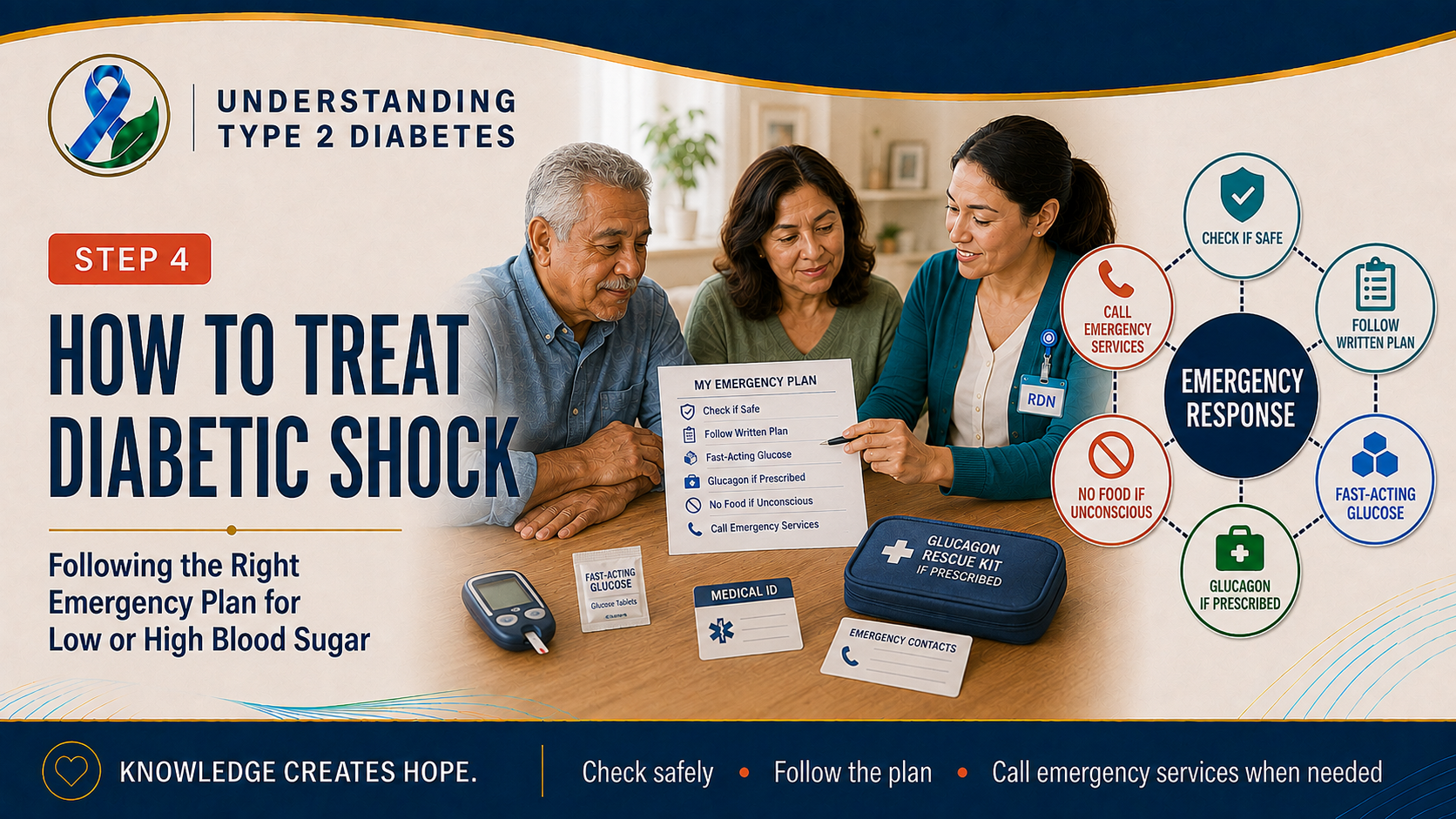
If you or someone near you experiences severe hypoglycemia, which causes insulin shock, you need to act immediately. Take the following steps if you believe diabetic shock has occurred.
- Call your local emergency services number right away (such as 911, 999, or 112). Clearly state that you or the person is experiencing insulin shock and needs immediate help. Remain on the line for instructions.
- If the person is conscious, have them consume sugar immediately. Options include rubbing sugar on the gums, putting it under the tongue, or ingesting a glucose pack. If unavailable, use honey or fruit juice—never artificial sweeteners. Do not give anything by mouth if the person is unconscious to prevent choking.
- If trained, inject glucagon immediately if the individual has lost consciousness. If you do not have glucagon, wait for emergency responders, who will have the appropriate medication. (How to Use Glucagon, 2023)
Conclusion
Treating diabetic shock requires quick, clear action. The brain and vital organs rely on a steady supply of glucose. When blood sugar drops too low, every minute counts. (Doe & Smith, 2020, pp. 1234-1245) Recognize early symptoms, keep quick-acting carbohydrates handy, and know when to seek emergency care. Preparation and a simple response plan can prevent severe hypoglycemia from becoming life-threatening.
Author's Note
This guide was created to give you a calm, practical roadmap for responding to diabetic shock. In moments of panic, it’s easy to freeze or second‑guess what to do. My goal is to help you feel prepared rather than overwhelmed — to give you steps you can remember, tools you can rely on, and the confidence to act quickly when it matters most. Knowledge is one of the strongest forms of protection, and you deserve to feel steady and supported on your health journey.
Want more simple, effective steps for better health? Join our discussion groups for updates, practical tips, and new wellness insights. Your journey matters—you do not have to walk it alone.
---- Robert
Continue The Conversation
Every wellness journey is unique, and we can learn a great deal from one another's experiences.
What stood out to you in this article?
Have you faced similar challenges, discovered helpful strategies, or gained insights of your own?
I invite you to share your thoughts in the comments below. Your experience may encourage someone else who is taking the next step on their own journey.
IRemember, meaningful change often begins with a single step—and none of us has to walk the path alone.
Reference List
- American Diabetes Association. Hypoglycemia (Low Blood Glucose): Emergency Treatment Guidelines.
- Centers for Disease Control and Prevention. How To Treat Low Blood Sugar.
- Mayo Clinic. Hypoglycemia: Immediate Treatment and When to Seek Help.
- National Institute of Diabetes and Digestive and Kidney Diseases (NIDDK). Managing Low Blood Glucose.
- Cleveland Clinic. Severe Hypoglycemia: Emergency Response and Treatment.
- MD, E. F. & MD, G. D. (2025). Hypoglycemia - Endocrinology - Merck Manual Professional Edition. Merck Manual Professional Edition. https://www.merckmanuals.com/professional/endocrine-and-metabolic-disorders/diabetes-mellitus-and-hypoglycemia/hypoglycemia
- Saling, J. (2025). Diabetic Shock and Insulin Reactions: Causes, Symptoms, and Treatments. WebMD. https://www.webmd.com/diabetes/diabetic-shock-and-insulin-reactions
- (2024). Diabetic coma - Diagnosis & treatment. Mayo Clinic. https://www.mayoclinic.org/diseases-conditions/diabetic-coma/diagnosis-treatment/drc-20371479
- (2023). Hypoglycemia - Symptoms and causes. Mayo Clinic. https://www.mayoclinic.org/health/hypoglycemia/DS00198
- (2024). Diabetic hypoglycemia - Symptoms & causes. Mayo Clinic. https://www.mayoclinic.org/diseases-conditions/diabetic-hypoglycemia/symptoms-causes/syc-20371525
- (2024). Treatment of Low Blood Sugar (Hypoglycemia) | Diabetes | CDC. Centers for Disease Control and Prevention. https://www.cdc.gov/diabetes/treatment/treatment-low-blood-sugar-hypoglycemia.html
- Story, C. M. (2024). What are the signs of an insulin overdose?. Healthline. https://www.healthline.com/health/diabetes/insulin-overdose
- (2023). How to Use Glucagon. American Diabetes Association. https://diabetes.org/living-with-diabetes/hypoglycemia-low-blood-glucose/how-use-glucagon
- Doe, J. & Smith, J. (2020). Hypoglycemia and the Brain: Pathophysiology and Clinical Implications. Journal of Clinical Endocrinology 105(5), pp. 1234-1245. https://doi.org/10.1210/jc.2020-00567
Disclaimer
The information provided in this article is for educational and informational purposes only and is not intended as medical, psychological, or professional advice. The content reflects general wellness principles and personal development concepts designed to encourage self-reflection and healthy lifestyle choices.
Individual circumstances vary, and readers should consult qualified healthcare professionals, mental health providers, or other appropriate experts regarding specific concerns or conditions. Never disregard professional advice or delay seeking help because of information contained in this article.
The author and publisher assume no responsibility for actions taken based on the information presented. Your health and well-being are ultimately your responsibility, and any changes to your lifestyle should be made thoughtfully and in consultation with appropriate professionals when necessary.