Introduction
America is facing a growing health crisis that affects every community and every generation. This series explores the forces driving our nation’s declining wellness—from the rise of chronic disease to the food systems, lifestyle patterns, and environmental pressures shaping our daily choices. Each article stands alone, yet together they reveal a larger truth: lasting change begins with awareness, empowerment, and practical steps that anyone can take. My goal is simple—help you understand what’s happening, why it matters, and how you can reclaim your health in a world that often works against it.
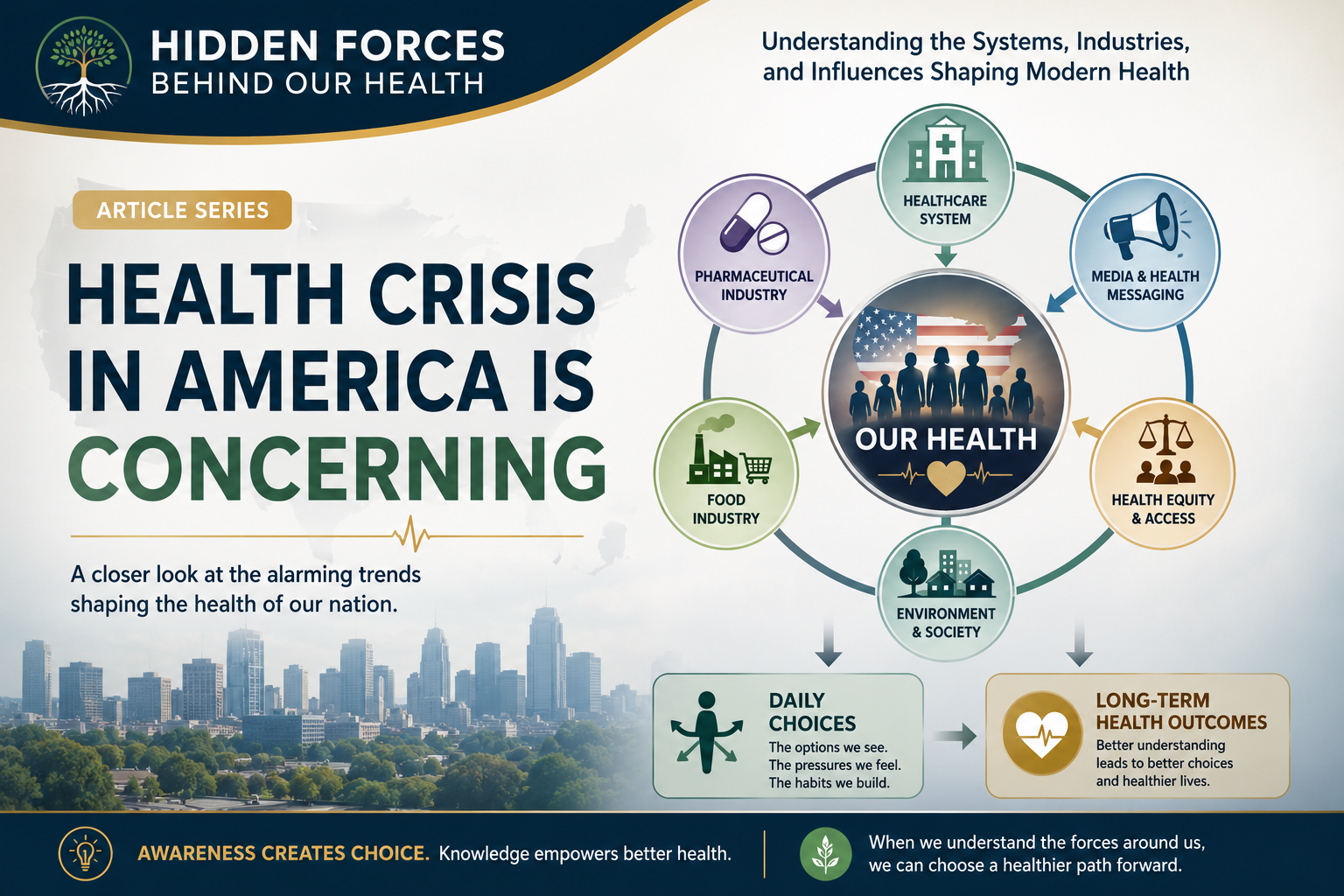
The Food Health Crisis in America: Why Our Choices Matter More Than Ever
According to global health experts, the United States is facing a growing food‑related health crisis. The truth is uncomfortable but undeniable: many of the foods we consume daily are slowly damaging our health, and the habits driving these choices are deeply rooted in convenience, marketing, and a culture of instant gratification.
A Nation Addicted to Processed Foods
Modern society has become increasingly dependent on processed and ultra‑processed foods. These products are engineered for taste, shelf life, and profit — not for nourishment. The result is a diet high in calories but dangerously low in nutrients.
We are not starving from lack of food.
We are starving from lack of real nutrition.
Processed foods often contain:
- Artificial chemicals and additives
- Refined carbohydrates
- Excessive sugar
- Synthetic preservatives
- Ingredients most consumers cannot even pronounce
These substances have been linked to long‑term health issues, including heart disease, diabetes, obesity, certain cancers, and even behavioral and inflammatory conditions.
How We Became a Processed‑Food Nation
For decades, food manufacturing has shifted away from whole, natural ingredients toward chemically altered, mass‑produced products.
Key turning points:
- Early canned foods emerged in the early 1900s
- By the 1960s, processed foods were everywhere — with no labeling laws
- Ingredient labels didn’t become mandatory until the 1990s
- Today, many stores dedicate more space to packaged goods than fresh produce
This shift didn’t happen overnight — but its impact is undeniable.
What Processed Food Really Means
Not all processing is harmful. Washing, cutting, grinding, or packaging whole foods does not make them unhealthy. The real danger lies in chemical processing, where natural ingredients are stripped, altered, or replaced entirely.
A food becomes “processed” in the harmful sense when it:
- Contains multiple artificial ingredients
- Is made from refined or synthetic substances
- Has been engineered for taste rather than nutrition
These foods may be convenient, but they do not support long‑term health.
The Consequences of Poor Food Choices
The impact of our dietary habits is clear:
- Rising rates of chronic disease
- Increased healthcare costs
- Lower quality of life
- Shortened life expectancy
Food is meant to nourish the body — not harm it. Yet millions of Americans are consuming products that undermine their health every single day.
This is not a temporary problem.
It is a transformation of humanity — and not for the better.
The Hidden Dangers Inside Processed Foods
Many additives found in processed foods have been linked to:
- Skin and inflammatory conditions
- Behavioral and cognitive issues
- Pulmonary problems
- Heart disease
- Diabetes
- Obesity
- Certain cancers
And then there’s sugar — one of the most dangerous ingredients in the modern diet.
“Sugar consumption is strongly associated with the world’s leading killers.”
When consumed in excess (as most Americans do), sugar becomes a slow, silent threat.
Why We Keep Eating Foods That Harm Us
The addiction to processed foods is no accident.
- They taste good
- They’re cheap
- They’re everywhere
- They’re fast
- They’re marketed aggressively
- They require no preparation
In a world where time is limited and convenience is king, processed foods win — but our health loses.
The SAD Reality of Poor Food Choices
The bottom line is simple and sobering:
“Food is supposed to nourish the body — not kill it.”
Most processed foods are extremely low in essential nutrients and cause long‑term damage. This isn’t a temporary issue. It’s a transformation of humanity, and not for the better.
We are literally eating ourselves into sickness.
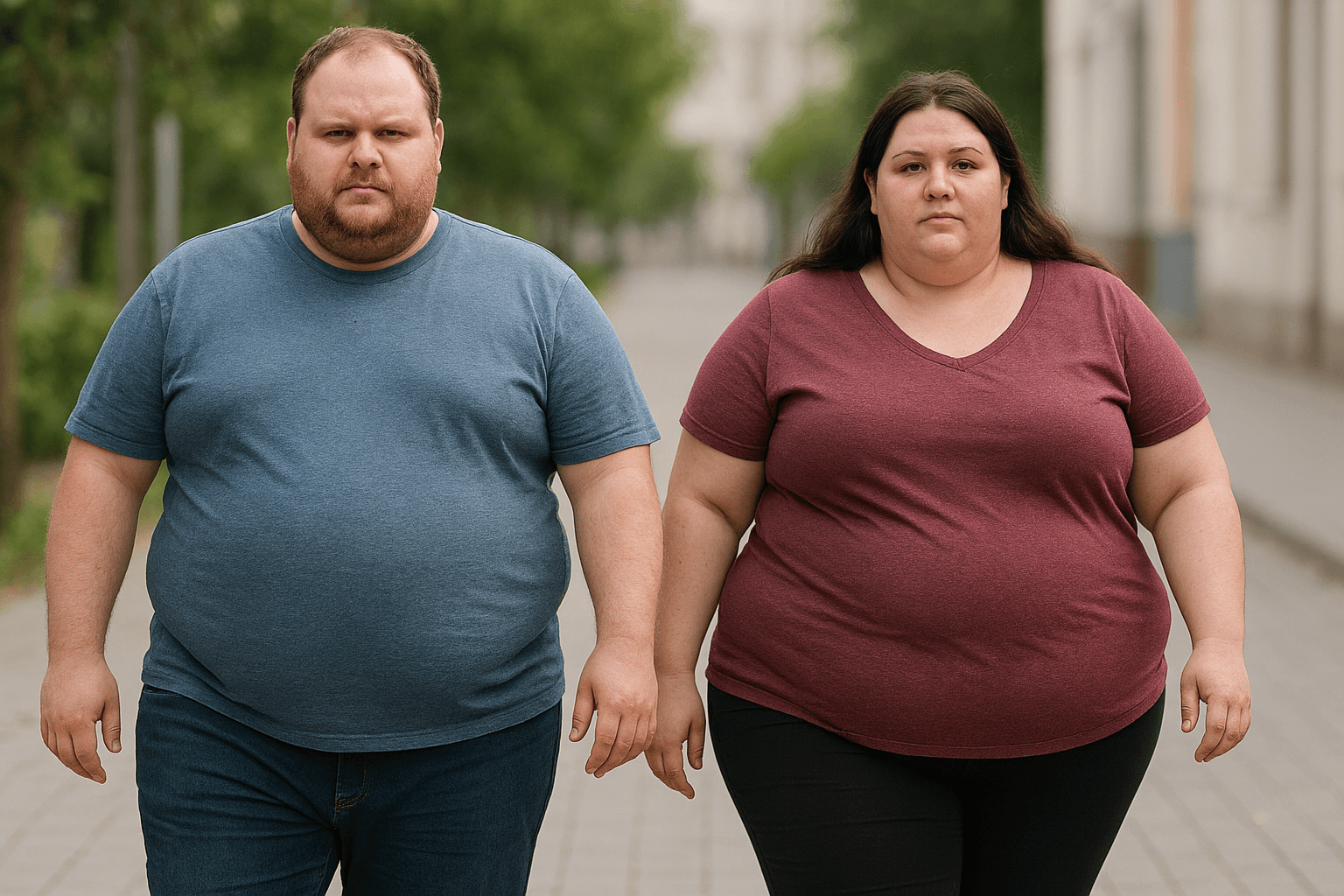
These two individuals appear overweight—a condition often linked to poor food choices driven by misleading packaging, limited access to healthy options, and aggressive marketing of ultra-processed products. Their situation reflects a broader crisis in America’s food landscape, where convenience and cost often outweigh nutrition and long-term health.
A Path Forward: Choosing Real Food
The bottom line is sad and simple: most processed foods are extremely low in essential nutrients and cause severe long-term damage to our health. The challenge is to offer people living in the modern world food products that include ALL the nutrients the body needs for both immediate functioning and long-term health.
Food is supposed to nourish the body, not kill it. This is a transformation of humanity. People are literally dying for nutrition. This is not a one-time thing. We need real food daily and we are not getting real food – we are getting JUNK! With the JUNK that we are eating we are in a food health crisis in America.
Start Your Journey to Better Health
If you’re ready to reclaim your health, begin with curiosity and intention:
- Read labels
- Question ingredients
- Choose whole foods
- Reduce sugar
- Cook more often
- Prioritize nourishment over convenience
Your health is your greatest asset.
Protect it. Strengthen it. Invest in it.
Reading Food Labels is a must
The difference between these two loaves of bread says everything about the broken system we’re living in. One loaf is stuffed with preservatives, chemicals, added sugars, and ingredients most people can’t even pronounce — yet it’s marketed as “healthy” and sits front‑and‑center on store shelves. The other loaf is simple, clean, and made from real ingredients, the way bread was meant to be. And here’s the frustrating truth: most Americans never even get the chance to choose the healthier option because the food industry has normalized the cheap, ultra‑processed version. This isn’t a failure of personal responsibility — it’s a system designed to mislead people and profit from their confusion.
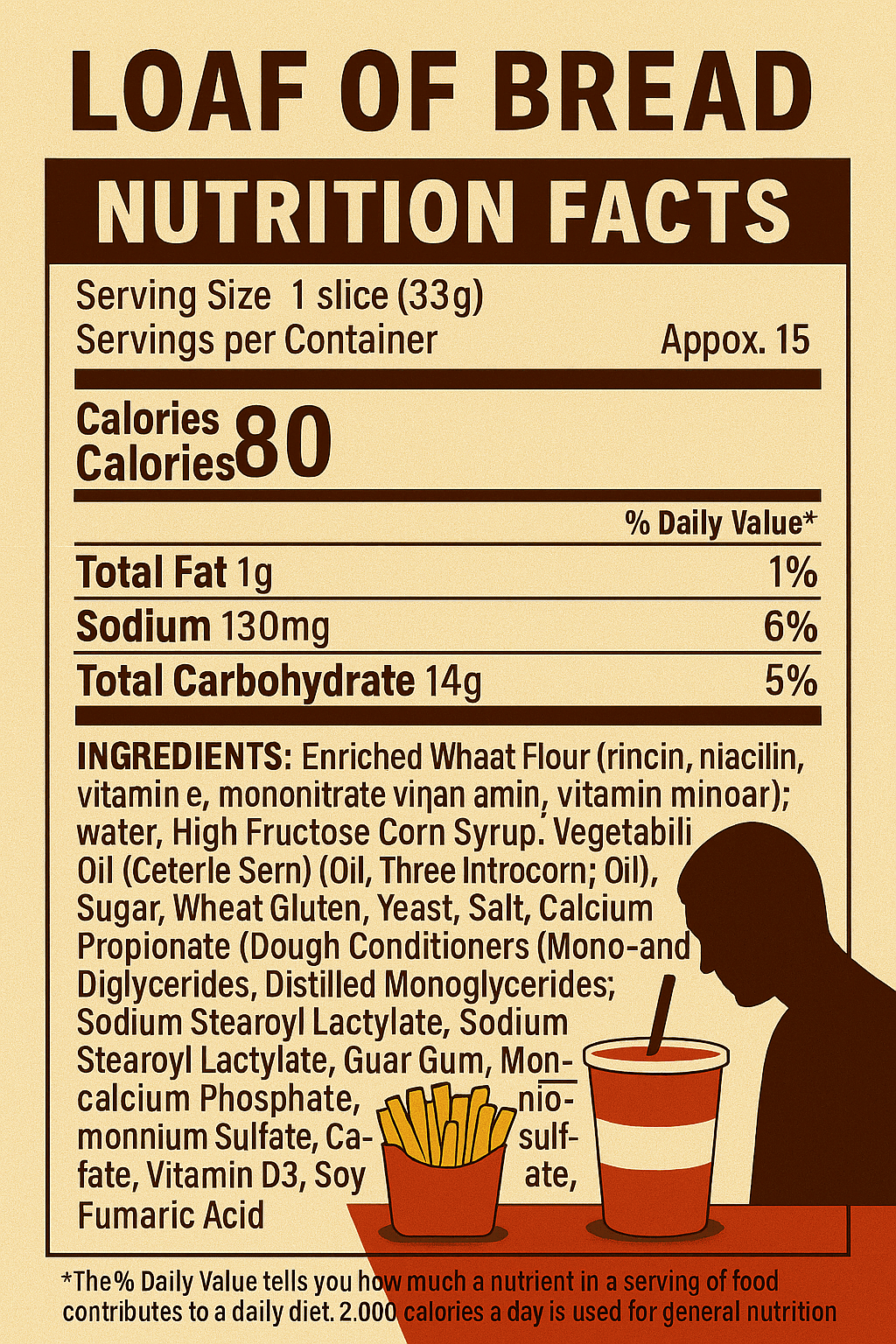
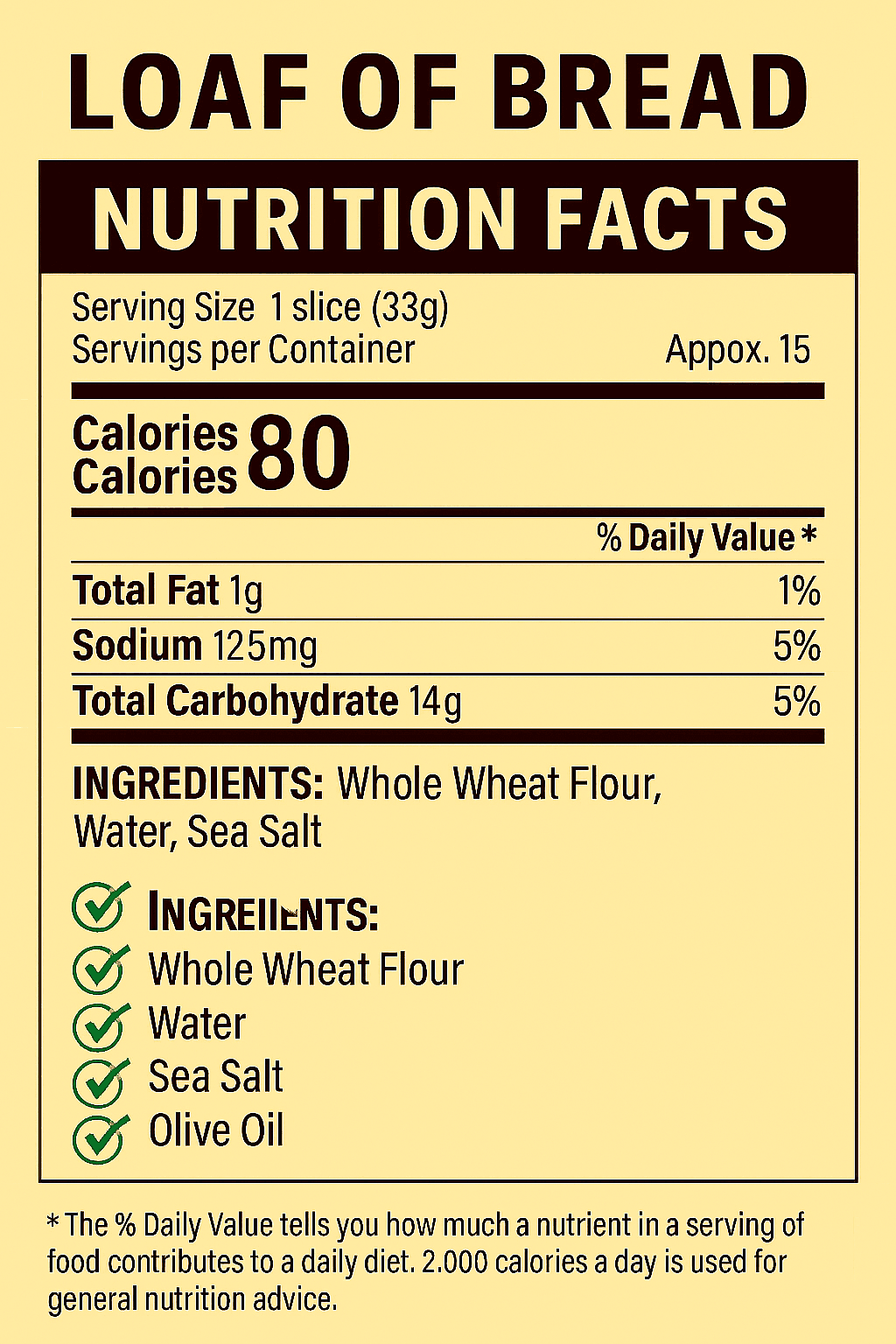
Would you had guessed the labels are for a loaf of bread? I know which one I like!
Recommended Reading
Conclusion
America’s health crisis didn’t appear overnight, and it won’t disappear with quick fixes or blame. It is the predictable outcome of a food system that prioritizes profit over public well‑being, a culture shaped by convenience, and decades of marketing that normalized ultra‑processed foods as everyday staples. But the most important truth is this: change is still possible, and it begins with awareness.
When we understand how our food environment shapes our choices, we can start making decisions that support—not sabotage—our long‑term health. Small, consistent shifts in what we buy, cook, and eat ripple outward into stronger families, healthier communities, and a more resilient nation. The crisis is real, but so is our capacity to respond with clarity, courage, and intention. Every step toward whole, nourishing foods is a step toward reclaiming our health and rewriting the future.
Author's Note
This article was written out of deep concern for what I’ve witnessed over the years—families trying their best, yet struggling against a food landscape that makes healthy choices harder than they should be. I’ve seen how misinformation, aggressive marketing, and limited access to real, nourishing foods quietly shape our habits and, ultimately, our health.
My goal isn’t to judge or overwhelm anyone. It’s to shine a light on the forces influencing our food choices and to empower readers with knowledge that leads to better outcomes. I believe every person deserves the chance to thrive, and that begins with understanding the truth about the foods we’re being sold and the systems behind them. Thank you for taking the time to explore this topic with an open mind and a willingness to look deeper
---- Robert
Continue The Conversation
Every wellness journey is unique, and we can learn a great deal from one another's experiences.
What stood out to you in this article?
Have you faced similar challenges, discovered helpful strategies, or gained insights of your own?
I invite you to share your thoughts in the comments below. Your experience may encourage someone else who is taking the next step on their own journey.
Remember, meaningful change often begins with a single step—and none of us has to walk the path alone.
Reference List
1. Pew Research Center (2025). Americans on Healthy Food and Eating.
A nationally representative survey of 5,123 U.S. adults examining priorities, behaviors, and barriers related to healthy eating—highlighting cost pressures, rising obesity, and shifting food habits.
2. Food Insecurity & Health Disparities Research (2025).
Evidence linking food insecurity, limited access to nutritious foods, and neighborhood food environments to increased risk of diet‑related diseases such as diabetes, cardiovascular disease, and certain cancers.
3. USDA Economic Research Service (ERS). Food Choices & Health (2025–2026).
A comprehensive set of analyses on food access, labeling, diet quality, economic drivers of food choices, and the relationship between dietary patterns and health outcomes—including obesity trends and policy impacts.
Disclaimer
The information in this article is for educational purposes only and is not intended to diagnose, treat, cure, or prevent any disease. I am not a medical doctor, and nothing here should be taken as medical advice. Always consult with a qualified healthcare professional before making changes to your diet, lifestyle, or health routines—especially if you have existing medical conditions or concerns. Never disregard professional guidance because of something you read online.