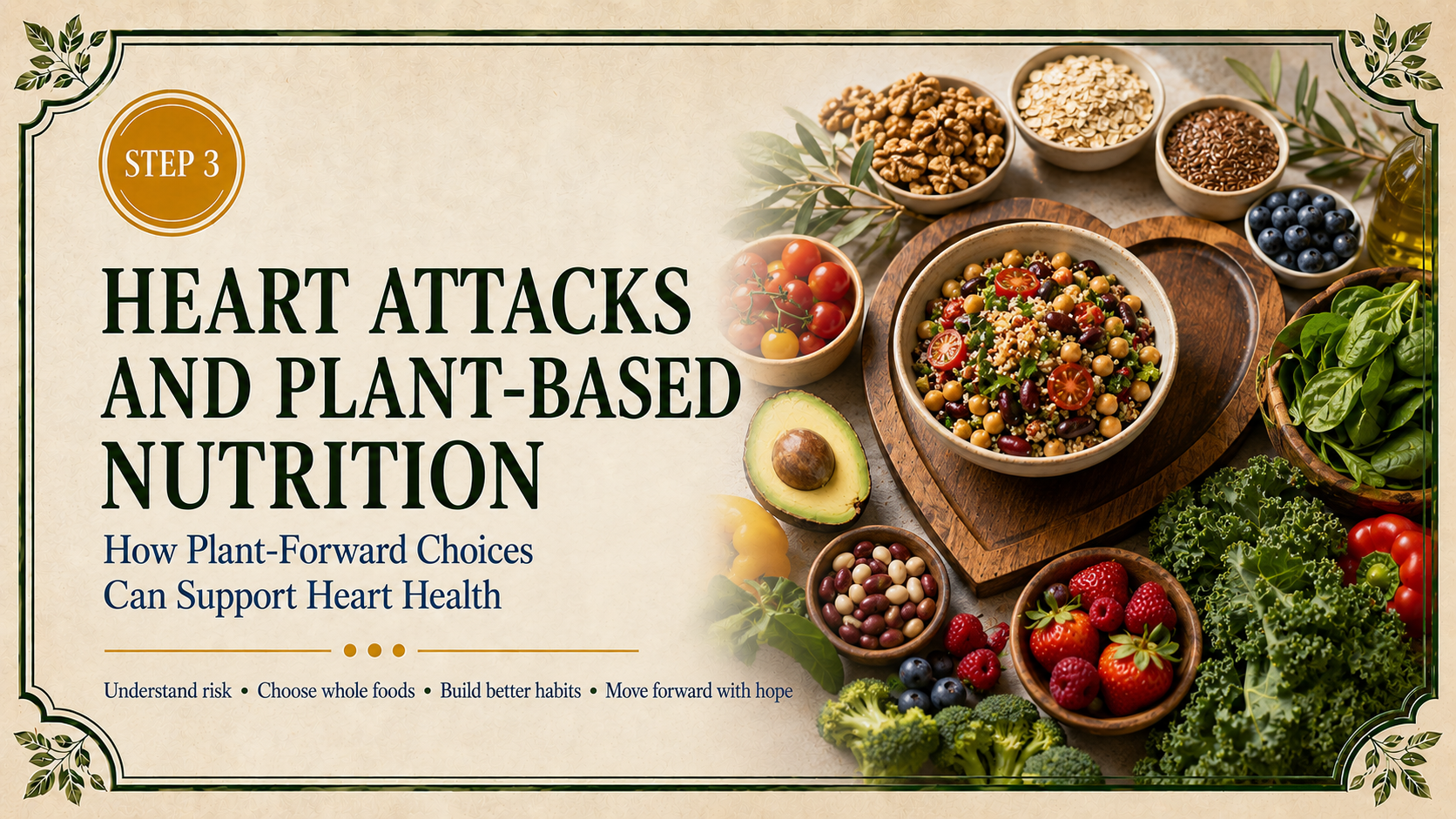
Can a plant-based diet truly prevent heart attacks?
It’s a bold claim, but science is catching up to what many doctors and researchers have said for years: food is not just fuel — it’s medicine.
This post isn’t about theory. It’s about real, documented results. The three videos below feature respected physicians and researchers who have seen heart disease reversed through nutrition rather than surgery.
Why This Matters
Heart attacks remain America's leading cause of death. But most heart disease can be prevented—and even reversed—through lifestyle changes, especially diet. (Statistics, 2023; Preventing Heart Disease, 2026) Key takeaway: Simple diet shifts can significantly improve heart health.
Watch These 3 Powerful Videos
Video 1
Statins treat symptoms, not root causes. This video explains why pills alone won’t protect your heart—and how food can. (Staff, 2025) Takeaway: Nutrition addresses the underlying cause for better heart health.
Video 2
Dr. Esselstyn, a pioneer in nutritional cardiology, discusses research that shows heart disease can be reversed with a whole-food, plant-based diet. (Esselstyn, 2017, pp. 317-320) Takeaway: Plant-based diets can actively reverse heart disease.
Video 3
Dr. Gupta explores how modern science and nutrition could eliminate heart attacks altogether with decisive action. (CNN's Sanjay Gupta, The Last Heart Attack, 2011) Takeaway: Proactive choices can help end heart attacks.
Recommended Reading
The Forks Over Knives Plan shows you how to put this lifesaving, delicious diet into practice. This easy-to-follow, meal-by-meal makeover is the approach Doctors Alona Pulde and Matthew Lederman (featured in the documentary) use daily in their nutritional health practice. It’s a simple plan focused on hearty comfort foods, without portion control or worrying about individual nutrients like protein and calcium.
Whether you’re already a convert wanting a dietary reboot or trying a plant-based diet for the first time, The Forks Over Knives Plan makes it easier than ever to transition to this healthiest way of eating and maintain it for life. (Neuenschwander et al., 2023)
Below are other great resources that will help you get on the right track.
The Plant-Based Solution: America’s Healthy Heart Doc’s Plan to Power Your Health
How Not to Die: Discover the Foods Scientifically Proven to Prevent and Reverse Disease
Final Thoughts
Research shows a whole-food, plant-based diet can prevent—and often improve—heart disease. (Neuenschwander et al., 2023) These diets lower inflammation and cholesterol and support a healthier weight. (Neuenschwander et al., 2023) Key takeaway: Choose foods that support your heart and health.
You don’t have to change everything overnight. Even small shifts—more vegetables, whole grains, legumes, and fewer processed foods—improve heart health. (Healthy Versions of Low-Carb and Low-Fat Diets Linked to Better Cardiovascular and Metabolic Health, 2026) Takeaway: Small changes add up for lasting results.
Author's Note
My goal is to inform and empower you as you explore heart health. I used to think heart disease was about genetics or luck, but research shows that everyday choices, especially diet, matter. (Ultra-Processed Foods Linked to 67% Higher Risk of Heart Attack and Stroke, 2026) Key takeaway: Your daily choices have a real impact.
You don’t need a perfect diet. Small shifts toward whole, plant-based foods can support heart health. Start with what's doable, stay curious, and grow. Takeaway: Focus on progress, not perfection.
Your journey toward better health matters. Want more simple, empowering steps? Join the discussion to connect with others, get updates, practical tips, and new wellness insights.
Start today by joining our discussion groups, sharing your stories in the comments, and staying connected for actionable tips.
You’re not alone on this journey—get involved and support others seeking heart health transformation.
— Robert
Continue The Conversation
Reference List
- Esselstyn CB. Resolving the coronary artery disease epidemic through plant-based nutrition. J Adv Cardiol Res. 2014;1(1):1–5.
- Ornish D, et al. Intensive lifestyle changes for reversal of coronary heart disease. JAMA. 1998;280(23):2001–2007.
- Satija A, et al. Healthful and unhealthful plant-based diets and the risk of coronary heart disease in U.S. adults. J Am Coll Cardiol. 2017;70(4):411–422.
- Kim H, et al. Plant-based diets and risk of cardiovascular disease: a meta-analysis. Nutrients. 2019;11(9):1–15.
- Tuso PJ, et al. Nutritional update for physicians: plant-based diets. Perm J. 2013;17(2):61–66.
- World Health Organization. Cardiovascular diseases (CVDs) fact sheet. Updated 2023.
- American Heart Association. Diet and lifestyle recommendations. Accessed 2026.
- Barnard ND, et al. A low-fat vegan diet improves glycemic control and cardiovascular risk factors in a randomized clinical trial. Diabetes Care. 2006;29(8):1777–1783.
Disclaimer
The information provided in this article is for educational and informational purposes only and is not intended as medical, psychological, or professional advice. The content reflects general wellness principles and personal development concepts designed to encourage self-reflection and healthy lifestyle choices.
Individual circumstances vary, and readers should consult qualified healthcare professionals, mental health providers, or other appropriate experts regarding specific concerns or conditions. Never disregard professional advice or delay seeking help because of information contained in this article.
The author and publisher assume no responsibility for actions taken based on the information presented. Your health and well-being are ultimately your responsibility, and any changes to your lifestyle should be made thoughtfully and in consultation with appropriate professionals when necessary.