
Introduction
Managing diabetes requires maintaining healthy blood sugar levels. Consistently abnormal glucose levels signal diabetes. Untreated, it can lead to nerve, kidney, and vision complications. Effective treatment is key. Increasing fiber intake is a simple way to support your diabetes management.
Here is what happens when you eat fiber.
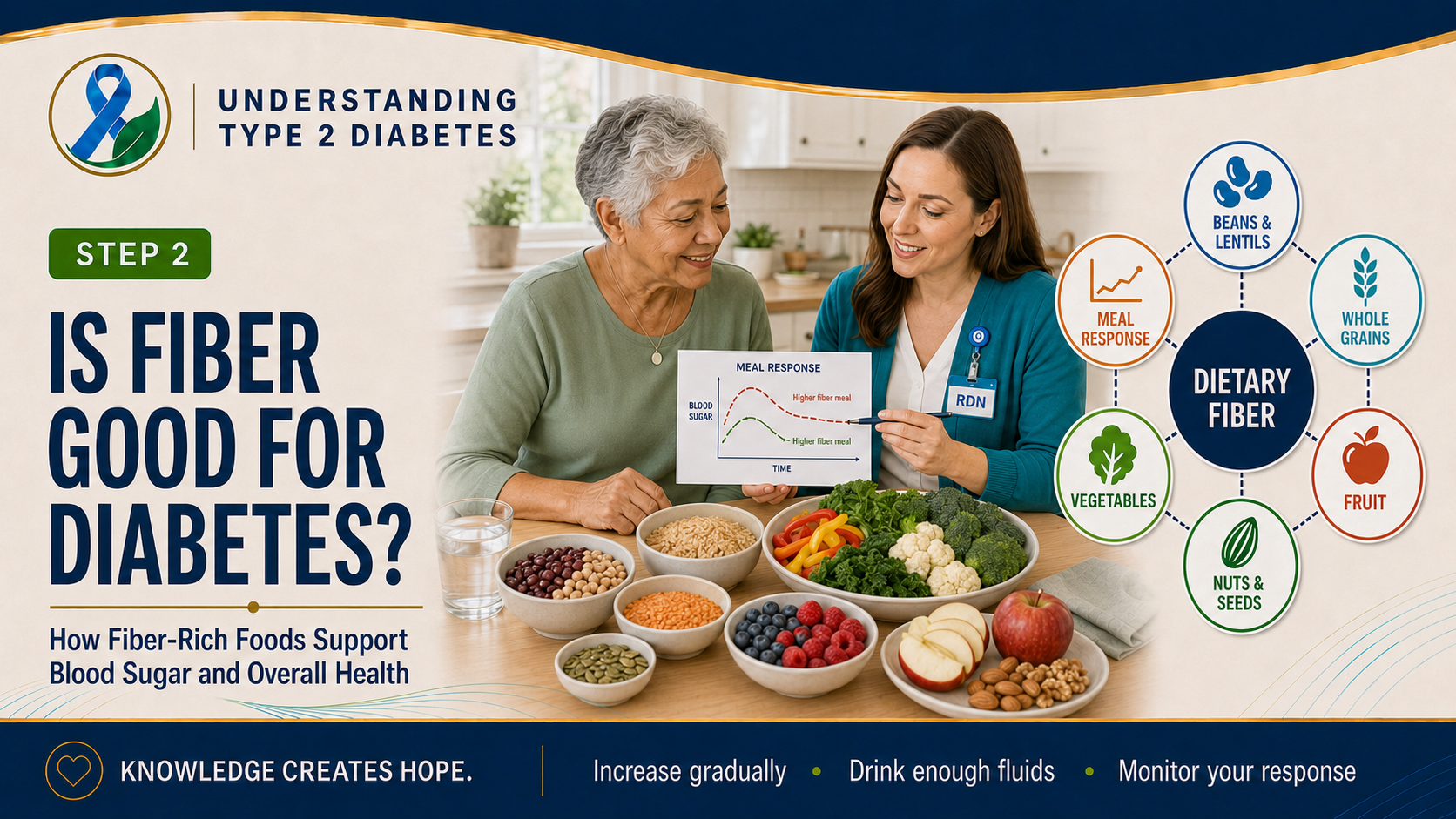
Eating plenty of fiber-rich foods, such as vegetables (like broccoli and carrots), fruits (such as apples, pears, and berries), and whole grains (like oatmeal, barley, and brown rice), helps sustain a healthy digestive process. These foods contain lignin, pectin, cellulose, and other natural components that are resistant to the enzymes used to digest them. Roughage is one reason fiber is effective in relieving constipation. Also called roughage or bulk, dietary fiber is either soluble or insoluble.
Soluble fiber, which dissolves in water, is found in foods such as beans, lentils, apples, carrots, citrus fruits, barley, and oats. This type of fiber naturally lowers cholesterol levels when high, promoting heart health. Soluble fiber also helps you manage healthy glucose levels. (Fiber: The Carb That Helps You Manage Diabetes, 2024)
Insoluble fiber helps keep you "regular." This fiber is found in whole-wheat flour and grains (such as whole-wheat bread, brown rice, and bulgur), wheat bran, cauliflower, potatoes (with skins), and nuts (such as almonds and walnuts). Insoluble fiber does not dissolve in water, and your body does not digest insoluble fiber. It passes through your system primarily intact, attaching itself to waste products, toxins, and other unhealthy chemicals. It carries these health-damaging substances out of your body and can help you reach and maintain a healthy body weight. (Fiber: The Carb That Helps You Manage Diabetes, 2024)
Most plant-based foods contain some amounts of both insoluble and soluble fiber. Sources include foods like beans, lentils, berries, whole-grain breads, spinach, apples, artichokes, flaxseeds, and peas. Since both types of fiber contribute to healthy diabetes management, you should eat various high-fiber, plant-based foods. Plant-based foods help ensure you get plenty of both types of fiber, giving you the best chance to manage your diabetes naturally.
The Benefits of a High-Fiber Diet
Whether you have diabetes, are prediabetic, or are otherwise healthy, your body can benefit from lots of fiber. Regularly getting the daily recommended fiber intake helps control blood sugar, supports weight management, and may lower the risk of stroke and kidney stones. (Anderson et al., 2009, pp. 188-205)
Increasing your fiber intake reduces your risk of heart disease and supports effective diabetes management. (Reynolds et al., 2020)
Avoid simple carbohydrates like refined sugar and processed foods, and eat more naturally healthy foods like fruits, vegetables, nuts, and grains. Drink enough water daily to support digestion. Your high-fiber diet will keep you feeling full longer and avoid the dangerous blood glucose spikes and drops that are problematic to people with diabetes. (Effect and mechanism of insoluble dietary fiber on postprandial blood sugar regulation, 2024)
Conclusion
A high-fiber diet is a simple and effective way to support healthy blood sugar. Soluble fiber slows glucose absorption, preventing spikes. Insoluble fiber supports digestion and a healthy weight. Both work together for improved metabolic health. (Xie et al., 2021, pp. 1800-1810) Whether you’re managing diabetes or aiming for better wellness, choosing fiber-rich, plant-based foods is a meaningful step toward vitality.
Author's Note
I wrote this piece to bring clarity to a topic that is often overlooked in diabetes conversations. Fiber isn’t flashy, but it’s one of the most reliable tools we have for stabilizing blood sugar and supporting whole‑body health. My goal is to empower you with simple, practical steps that make a real difference. If this guide helps you make even one more intentional choice today, then it has served its purpose. -
--- Robert
Continue The Conversation
Every wellness journey is unique, and we can learn a great deal from one another's experiences.
What stood out to you in this article?
Have you faced similar challenges, discovered helpful strategies, or gained insights of your own?
I invite you to share your thoughts in the comments below. Your experience may encourage someone else who is taking the next step on their own journey.
Remember, meaningful change often begins with a single step—and none of us has to walk the path alone.
Reference List
- American Diabetes Association. “Nutrition and Healthy Eating for Diabetes.”
- Harvard T.H. Chan School of Public Health. “Carbohydrates and Blood Sugar.”
- National Institutes of Health. “Dietary Fiber: Essential for a Healthy Diet.”
- Centers for Disease Control and Prevention (CDC). “Diabetes and Healthy Eating.”
- Mayo Clinic. “Dietary Fiber: Why It Matters and How to Get More.”
- World Health Organization. “Healthy Diet: Key Facts.”
- Academy of Nutrition and Dietetics. “Understanding Soluble and Insoluble Fiber.”
- (2024). Fiber: The Carb That Helps You Manage Diabetes. Centers for Disease Control and Prevention. https://www.cdc.gov/diabetes/healthy-eating/fiber-helps-diabetes.html
- Anderson, J. W., Baird, P., Jr., R. H., Ferreri, S., Knudtson, M., Koraym, A., Waters, V., & Williams, C. L. (2009). Health benefits of dietary fiber. Nutr Rev 67(4), pp. 188-205. https://doi.org/10.1111/j.1753-4887.2009.00189.x
- Reynolds, A. N., Akerman, A. P. & Mann, J. (2020). Dietary fiber and whole grains in diabetes management: Systematic review and meta-analyses. PLOS Medicine 17(3). https://doi.org/10.1371/journal.pmed.1003053
- (2024). Effect and mechanism of insoluble dietary fiber on postprandial blood sugar regulation. Trends in Food Science & Technology 146. https://doi.org/10.1016/j.tifs.2024.104354
- Xie, Y., Gou, L., Peng, M., Zheng, J. & Chen, L. (2021). Effects of soluble fiber supplementation on glycemic control in adults with type 2 diabetes mellitus: A systematic review and meta-analysis of randomized controlled trials. Clinical Nutrition 40(4), pp. 1800-1810. https://doi.org/10.1016/j.clnu.2020.10.032
Disclaimer
The information provided in this article is for educational and informational purposes only and is not intended as medical, psychological, or professional advice. The content reflects general wellness principles and personal development concepts designed to encourage self-reflection and healthy lifestyle choices.
Individual circumstances vary, and readers should consult qualified healthcare professionals, mental health providers, or other appropriate experts regarding specific concerns or conditions. Never disregard professional advice or delay seeking help because of information contained in this article.
The author and publisher assume no responsibility for actions taken based on the information presented. Your health and well-being are ultimately your responsibility, and any changes to your lifestyle should be made thoughtfully and in consultation with appropriate professionals when necessary.