Introduction
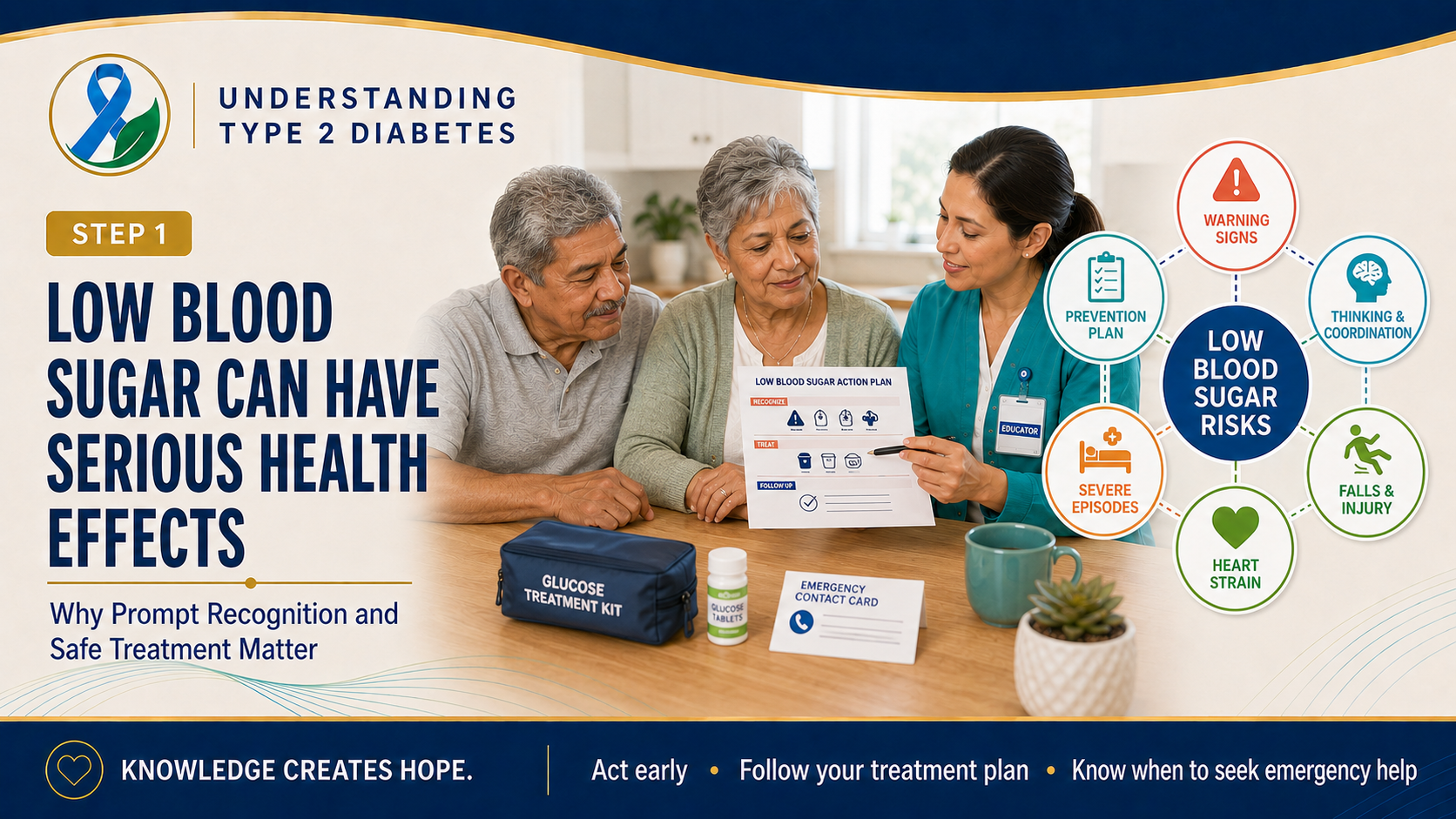
Low blood sugar, also known as hypoglycemia, is a condition where the glucose levels in your bloodstream fall below normal. It can have serious health effects and cause symptoms such as mood swings, fatigue, sweating, and dizziness. Learn more about the causes and consequences of low blood sugar here.
Various causes and how better to manage your blood sugar levels for a healthier life.
Hypoglycemia can have various causes, ranging from certain medications and diets to certain medical conditions such as diabetes and liver disease. Learning more about these causes can help you better manage your blood sugar levels. Making lifestyle changes in diet, exercise, and medication is essential for preventing low blood sugar. It's important to talk to your doctor if you have hypoglycemia episodes so they can help you find the proper treatment regimen. With the right support and management, living with low blood sugar doesn't have to be a burden.
What is Low Blood Sugar?
Low blood sugar, also known as hypoglycemia, occurs when your body doesn't have enough glucose or sugar in the bloodstream to fuel its functions. Lower-than-average blood sugar levels may lead to feelings of lightheadedness, dizziness, and fatigue. In more severe cases, hypoglycemia can cause confusion, shaking, sweating, and even loss of consciousness. Understanding the causes, symptoms, and treatments of low blood sugar is essential if you suspect you may be at risk.
Symptoms
Low blood sugar can cause a range of symptoms, from mood swings to sweating. These include shaking, feeling anxious or irritable, hunger, difficulty speaking and understanding, weakness, or fatigue. Other common signs of low blood sugar are confusion, hallucinations, impaired judgment and coordination, coma, and even death. (Low Blood Sugar (Hypoglycemia), 2024) If you experience any of these symptoms, it is essential to test your blood sugar levels immediately and take steps to raise your glucose level.
Risk Factors
Certain factors increase your risk of developing low blood sugar. These include consuming too little food (especially carbohydrates) before or during physical activity, skipping meals, consuming alcohol on an empty stomach, and taking certain medications for diabetes, such as insulin. Additionally, people with Type 1 diabetes are more prone to developing low blood sugar than those with Type 2 diabetes because their bodies cannot produce enough insulin to regulate their blood sugar levels. (Low Blood Glucose (Hypoglycemia) - NIDDK, 2023)
Diagnosis and Treatment
Low blood sugar, or hypoglycemia, can often be mistaken for other conditions such as anxiety or the flu. (What conditions can mimic the symptoms of hypoglycemia?, 2023) If you suspect you have low blood sugar, speak with your doctor, who might recommend a complete physical exam and a glucose tolerance test to check your blood sugar levels over time. (Staff, 2023) In some cases, doctors will prescribe medications for treatment. Eating more frequent meals and snacks throughout the day can help prevent future episodes of low blood sugar by avoiding sudden drops in your blood glucose level. (Diabetes Meal Planning, 2024)
Can You Have Low Blood Sugar and Type 2 Diabetes?
When people think of type 2 diabetes, they think of abnormally high blood sugar levels, and this is only natural, as is the belief that type 1 diabetes puts you at risk for dangerously low glucose levels. Most people with type 2 diabetes tend to have problems with high blood sugar levels, so it is understandable to equate hyperglycemia (high blood glucose levels) with type 2 diabetes and discount hypoglycemia (low blood glucose levels) as a possible symptom. For a detailed discussion of hypoglycemia and low blood sugar, see Medical News Today.
However, hypoglycemia, low blood sugar, can occur in patients with type 2 diabetes. So, the answer is yes, there are certain instances where low blood sugar levels (hypoglycemia) can happen in type 2 diabetic patients, and these occurrences have to do with medication and lifestyle actions.
Before we look at exactly how low blood sugar is possible with type 2 diabetes, let us see if we can get a clear definition of this disease.
Defining Type 2 Diabetes
"Type 2 diabetes is a chronic condition that affects the way your body metabolizes sugar (glucose), your body's important source of fuel."
The Mayo Clinic defines glucose as "high or low." This globally respected health authority does not mention high or low glucose levels. It simply notes that there is a problem with the way your body processes, uses, and stores glucose.
However, here's the definition from the American Diabetes Association.
"Diabetes is a problem with your body that causes blood glucose (sugar) levels to rise higher than normal. This is also called hyperglycemia. Type 2 diabetes is the most common form of diabetes."
Here, the noted diabetes organization refers directly to abnormally elevated blood glucose levels. Truth be told, that is how insulin resistance, which happens with type 2 diabetes, is most often diagnosed and perceived.
You may make plenty of insulin, but your body does not respond correctly. This leads to insulin resistance, sugar gets trapped in your bloodstream rather than absorbed into your cells for use as fuel, and you receive a type 2 diabetes diagnosis.
The Hypoglycemic Type 2 Diabetes Exceptions
Hypo means low, and hyper means high, at least in medical terms. If you have been diagnosed with insulin resistance and type 2 diabetes, it is still possible to have low blood sugar levels or hypoglycemia. Low blood sugar happens for one of a couple of reasons.
1 – Medication Side-Effect
2 – Consistent Physical Exertion Without Nutrition
Glucose is the fuel your body uses to supply its energy needs. Glucose provides your body with energy for many things. Even if you sit perfectly still and do no physical activity, glucose fuels your brainpower and internal functions, such as digestion. So, glucose, or blood sugar, should not be viewed simplistically as an evil thing.
Low blood sugar levels in type 2 diabetes patients are sometimes a reaction to medication. If you are prescribed sulfonylurea drugs like Glipizide or Glyburide, your doctor uses those drugs to stimulate insulin production. (Glipizide - StatPearls - NCBI Bookshelf, 2025)
However, maintaining an ideal blood sugar ratio when insulin resistance is low can be a balancing act. These insulinotropic agents can sometimes cause a severe drop in blood glucose levels; not all diabetes medications cause this problem. (Davis et al., 2024)
Diabetes specialists will always recommend regular exercise accompanied by smart nutrition to treat diabetes, and in some cases, the exercise/nutrition combo can even reverse a type 2 diabetes prognosis. (Standards of Care in Diabetes | ADA Clinical Guidelines, 2026) However, if you engage in strenuous physical activity for long periods and do not provide your body with enough healthy carbohydrates, your blood sugar levels could also plummet.
These two scenarios can also compound each other. For this reason, diabetics must be aware of their body’s responses to exercise and medication and ensure they diligently follow prescribed advice regarding the timing of their medication.
Conclusion
Low blood sugar isn’t just an inconvenience — it’s a real physiological stress signal that deserves attention. When glucose drops too far, the brain, muscles, and vital organs struggle to function, and symptoms can escalate quickly. The good news is that with awareness, consistent eating patterns, and a plan for what to do when symptoms appear, most episodes can be prevented or corrected early. Understanding how your body responds to low blood sugar is one of the most powerful steps you can take toward safer, steadier energy and long‑term metabolic health.
Author's Note
I created this guide to help you recognize the early signs of low blood sugar and understand why they matter. Many people experience these symptoms without realizing what’s happening in their body — or how quickly things can change. My hope is that this information empowers you to take action sooner, support your well‑being with confidence, and share this knowledge with someone who may need it. Your health journey is personal, but you never have to walk it alone.
---- Robert
Continue The Conversation
Every wellness journey is unique, and we can learn a great deal from one another's experiences.
What stood out to you in this article?
Have you faced similar challenges, discovered helpful strategies, or gained insights of your own?
I invite you to share your thoughts in the comments below. Your experience may encourage someone else who is taking the next step on their own journey.
Remember, meaningful change often begins with a single step—and none of us has to walk the path alone.
Reference List
- American Diabetes Association. Hypoglycemia (Low Blood Glucose): Symptoms & Treatment.
- Centers for Disease Control and Prevention. Low Blood Sugar (Hypoglycemia) Basics.
- Mayo Clinic. Hypoglycemia: Causes, Symptoms, and Complications.
- National Institute of Diabetes and Digestive and Kidney Diseases (NIDDK). Low Blood Glucose.
- Harvard Health Publishing. Understanding Blood Sugar Regulation and Hypoglycemia.
- (2024). Low Blood Sugar (Hypoglycemia). Centers for Disease Control and Prevention. https://www.cdc.gov/diabetes/about/low-blood-sugar-hypoglycemia.html
- (2023). Low Blood Glucose (Hypoglycemia) - NIDDK. National Institute of Diabetes and Digestive and Kidney Diseases. https://www.niddk.nih.gov/health-information/diabetes/overview/preventing-problems/low-blood-glucose-hypoglycemia
- (2023). What conditions can mimic the symptoms of hypoglycemia?. Medical News Today article. https://www.medicalnewstoday.com/articles/conditions-that-mimic-hypoglycemia
- Staff, M. C. (2023). Hypoglycemia - Diagnosis and treatment. Mayo Clinic. https://www.mayoclinic.org/diseases-conditions/hypoglycemia/diagnosis-treatment/drc-20373689
- (2024). Diabetes Meal Planning. Centers for Disease Control and Prevention. https://www.cdc.gov/diabetes/healthy-eating/diabetes-meal-planning.html
- (2025). Glipizide - StatPearls - NCBI Bookshelf. StatPearls Publishing. https://www.ncbi.nlm.nih.gov/books/NBK459177/
- Davis, H. A., Spanakis, E. K., Cryer, P. E., Siamashvili, M., & Davis, S. N. (2024). Hypoglycemia During Therapy of Diabetes. Endotext. https://doi.org/10.1056/NEJMra1901100
- (2026). Standards of Care in Diabetes | ADA Clinical Guidelines. American Diabetes Association. https://professional.diabetes.org/standards-of-care/practice-guidelines-resources
Disclaimer
The information provided in this article is for educational and informational purposes only and is not intended as medical, psychological, or professional advice. The content reflects general wellness principles and personal development concepts designed to encourage self-reflection and healthy lifestyle choices.
Individual circumstances vary, and readers should consult qualified healthcare professionals, mental health providers, or other appropriate experts regarding specific concerns or conditions. Never disregard professional advice or delay seeking help because of information contained in this article.
The author and publisher assume no responsibility for actions taken based on the information presented. Your health and well-being are ultimately your responsibility, and any changes to your lifestyle should be made thoughtfully and in consultation with appropriate professionals when necessary.