
Introduction
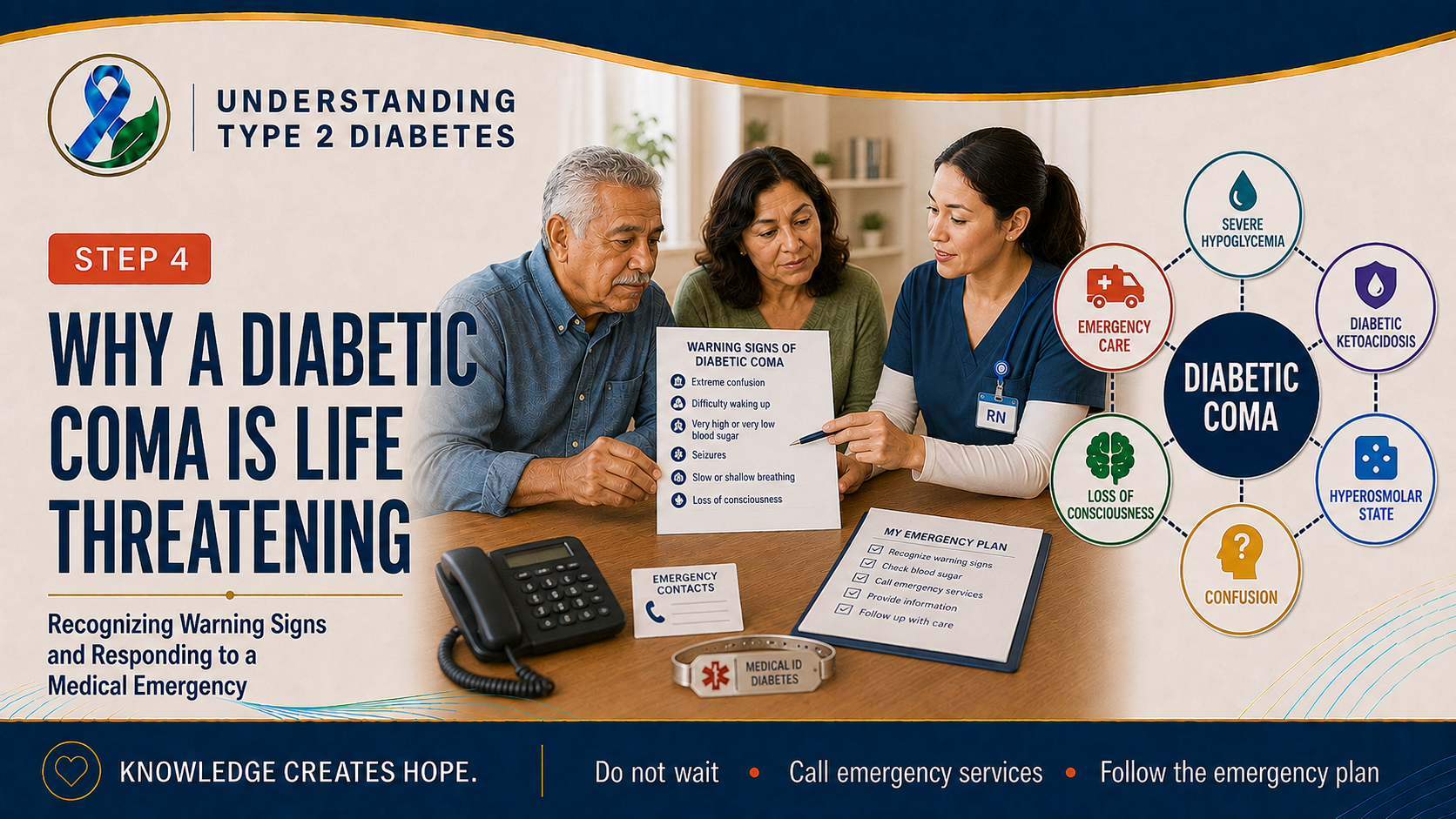
A diabetic coma is a state of unconsciousness or unresponsiveness that occurs because of blood glucose levels becoming either dangerously high or low. If a diabetic coma is not treated promptly, brain damage or death can ultimately result.
If you are the first responder to someone in a diabetic coma, call for emergency assistance immediately. An unconscious person should not be given anything orally, as they may choke. Insulin should be administered only in certain circumstances, so this is an emergency requiring professional attention. If insulin is injected into someone who is suffering a hypoglycemic episode, it will be made much worse. (PhD & FACP, 2025)
A person who is diabetic has, essentially, lost the natural ability to control their blood sugar levels, and often requires ongoing pharmaceutical assistance to keep their blood glucose within safe limits. (Gwira et al., 2024) As a result, situations can arise in which these limits are exceeded.
Diabetics, whether type 1 or 2, will have experienced symptoms of hyperglycemia or hypoglycemia, or even both (at different times). (Alwafi et al., 2020) A diabetic coma is the dangerously extreme result of either of these conditions. (Diabetic coma - Symptoms & causes, 2024)
Different Types of Diabetic Coma
Conditions of either hyperglycemia (high blood sugar) or hypoglycemia (low blood sugar) can trigger a diabetic coma.
Diabetic Hyperosmolar Syndrome – Due to A Hyperglycemic State
One condition is called diabetic hyperosmolar syndrome, and it mostly affects type 2 diabetics. (Adeyinka & Kondamudi, 2023) This type of diabetic coma occurs due to hyperglycemia, or excessive blood sugar. The condition arises when blood sugar levels are persistently elevated, generally due to chronic insulin resistance. This, of course, is the prevailing cause of type 2 diabetes. (Type 2 Diabetes | Diabetes | CDC, 2024)
If left untreated, either by dietary modification or insulin supplementation, the body desperately tries to remove the high blood sugar by excreting it via frequent urination. This can lead to dangerous levels of dehydration or to blood thickening due to a lack of hydration. (Hyperglycemia in diabetes - Symptoms & causes, 2024)
Fluid depletion can reach a stage that is impossible to relieve orally, and it can be necessary to be hydrated via intravenous drip. (Association, 2024, pp. 1257-1275) Again, this frequent urination and feeling of thirst are classic symptoms of type 2 diabetes. (Symptoms of Diabetes, 2024)
Diabetic Ketoacidosis - Due to A Hypoglycemic State
Another condition that can lead to diabetic coma is called diabetic ketoacidosis and is due to a hypoglycemic state. This mostly affects those with type 1 diabetes, but type 2 sufferers can be affected in certain circumstances. (Diabetic Ketoacidosis, 2024)
When blood sugar levels are depleted, the body metabolizes fat stores to produce ketones, which serve as an energy source the body can use as it would glucose. When this process is extreme and sustained, it can result in an excessively acidic state (acidosis) that becomes toxic to the body and can result in coma. (Diabetic Ketoacidosis - Endotext, 2024)
Many people who are overweight purposely seek to trigger ketosis in their bodies to break down and utilize unwanted body fat. This is a natural process and a useful tool, but it is important to ensure adequate fluid intake when undertaking a ketogenic diet. (The Ketogenic Diet: Clinical Applications, Evidence-based Indications, and Implementation, 2024)
As stated, the greatest risk is to type 1 diabetics, especially if insulin intake is misjudged, or other factors such as diet, physical exertion, or stress affect the insulin/glucose ratio in the body. (Diabetic coma - Symptoms & causes, 2023)
Hypoglycemia
A diabetic coma can be triggered by hypoglycemia even when ketoacidosis does not occur. An extreme hypoglycemic state can starve the brain of needed glucose and cause coma. This condition is most common in people with type 1 diabetes. (Staff, 2024)
Perversely, however, it can occur in type 2 diabetics, because of excessive insulin intake, especially if combined with vigorous exercise or physical effort. (Association, 2003, pp. 1902-1912)
Conclusion
A diabetic coma is one of the most dangerous outcomes of uncontrolled blood sugar because it strikes at the body’s most essential systems — the brain, the heart, and the organs that keep you alive. (Dhatariya et al., 2020) Whether triggered by extremely high or dangerously low glucose levels, or by a buildup of toxic acids in the blood, the body reaches a point where it can no longer compensate. The key message is simple: these crises are preventable. With consistent monitoring, early recognition of symptoms, and a plan for responding to sudden changes in blood sugar, you can dramatically reduce the risk. Understanding what leads to a diabetic coma gives you the power to protect your long‑term health and stay out of danger
Author's Note
This article was written to help you understand why diabetic comas are so serious — not to create fear, but to offer clarity. Many people living with diabetes never receive a clear explanation of what’s happening inside the body during these emergencies or how quickly things can escalate. My hope is that this knowledge strengthens your confidence, sharpens your awareness, and supports your journey toward safer, steadier blood sugar control. You deserve information that empowers you, not overwhelms you. ---- Robert
Continue The Conversation
Every wellness journey is unique, and we can learn a great deal from one another's experiences.
What stood out to you in this article?
Have you faced similar challenges, discovered helpful strategies, or gained insights of your own?
I invite you to share your thoughts in the comments below. Your experience may encourage someone else who is taking the next step on their own journey.
If you would like to receive future wellness insights, practical tips, and updates from Revolutionize Your Health, you are also welcome to join our community and stay connected.
Remember, meaningful change often begins with a single step—and none of us has to walk the path alone.
Reference List
- American Diabetes Association. Diabetic Emergencies: DKA, HHS, and Severe Hypoglycemia.
- Centers for Disease Control and Prevention. Diabetes Complications and Emergencies.
- Mayo Clinic. Diabetic Coma: Symptoms, Causes, and Prevention.
- National Institute of Diabetes and Digestive and Kidney Diseases (NIDDK). Hyperglycemia, Hypoglycemia, and Diabetic Ketoacidosis.
- Cleveland Clinic. Understanding Diabetic Coma and When to Seek Emergency Care.
- PhD, O. H. & FACP, R. K. (2025). Hypoglycemia: Background, Pathophysiology, Etiology. Medscape. https://emedicine.medscape.com/article/122122-overview
- Gwira, J. A., Fryar, C. D., & Gu, Q. (2024). Prevalence of Total, Diagnosed, and Undiagnosed Diabetes in Adults: United States, August 2021–August 2023. NCHS Data Brief No. 516. https://doi.org/10.15620/cdc/165794
- Alwafi, H., Alsharif, A. A., Wei, L., Langan, D., Naser, A. Y., Mongkhon, P., Bell, J. S., Ilomaki, J., Metwazi, M. S., Man, K. K., Fang, G., & Wong, I. C. (2020). Incidence and prevalence of hypoglycemia in type 1 and type 2 diabetes individuals: A systematic review and meta-analysis. Diabetes Research and Clinical Practice 170. https://doi.org/10.1016/j.diabres.2020.108522
- (2024). Diabetic coma - Symptoms & causes. Mayo Clinic. https://www.mayoclinic.org/diseases-conditions/diabetic-coma/symptoms-causes/syc-20371475
- Adeyinka, A. & Kondamudi, N. P. (2023). Hyperosmolar Hyperglycemic Syndrome. StatPearls - NCBI Bookshelf. https://www.ncbi.nlm.nih.gov/sites/books/NBK482142/
- (2024). Type 2 Diabetes | Diabetes | CDC. Centers for Disease Control and Prevention. https://www.cdc.gov/diabetes/about/about-type-2-diabetes.html
- (2024). Hyperglycemia in diabetes - Symptoms & causes. Mayo Clinic. https://www.mayoclinic.org/diseases-conditions/hyperglycemia/symptoms-causes/syc-20373631
- Association, A. D. (2024). Hyperglycemic Crises in Adults With Diabetes: A Consensus Report. Diabetes Care 47(8), pp. 1257-1275. https://doi.org/10.2337/dci24-0014
- (2024). Symptoms of Diabetes. Centers for Disease Control and Prevention. https://www.cdc.gov/diabetes/signs-symptoms/?CDC_AAref_Val=https%3A%2F%2Fwww.cdc.gov%2Fdiabetes%2Fbasics%2Fsymptoms.html
- (2024). Diabetic Ketoacidosis. Centers for Disease Control and Prevention. https://www.cdc.gov/diabetes/about/diabetic-ketoacidosis.html
- (2024). Diabetic Ketoacidosis - Endotext. https://www.ncbi.nlm.nih.gov/books/n/endotext/diab_keto/
- (2024). The Ketogenic Diet: Clinical Applications, Evidence-based Indications, and Implementation. StatPearls - NCBI Bookshelf. https://www.ncbi.nlm.nih.gov/sites/books/NBK499830/
- (2023). Diabetic coma - Symptoms & causes. Mayo Clinic. https://www.mayoclinic.org/diseases-conditions/diabetic-coma/symptoms-causes/syc-20371475
- Staff, M. C. (2024). Diabetic coma - Symptoms & causes. Mayo Clinic. https://www.mayoclinic.org/diseases-conditions/diabetic-coma/symptoms-causes/syc-20371475
- Association, A. D. (2003). Hypoglycemia in Type 2 Diabetes. Diabetes Care 26(6), pp. 1902-1912. https://doi.org/10.2337/diacare.26.6.1902
- Dhatariya, K. K., Glaser, N. S., Codner, E., & Umpierrez, G. E. (2020). Diabetic ketoacidosis. Nature Reviews Disease Primers 6. https://doi.org/10.1038/s41572-020-0165-1
Disclaimer
The information provided in this article is for educational and informational purposes only and is not intended as medical, psychological, or professional advice. The content reflects general wellness principles and personal development concepts designed to encourage self-reflection and healthy lifestyle choices.
Individual circumstances vary, and readers should consult qualified healthcare professionals, mental health providers, or other appropriate experts regarding specific concerns or conditions. Never disregard professional advice or delay seeking help because of information contained in this article.
The author and publisher assume no responsibility for actions taken based on the information presented. Your health and well-being are ultimately your responsibility, and any changes to your lifestyle should be made thoughtfully and in consultation with appropriate professionals when necessary.