Do You Have Food Poisoning? Maybe Not the Kind You Think
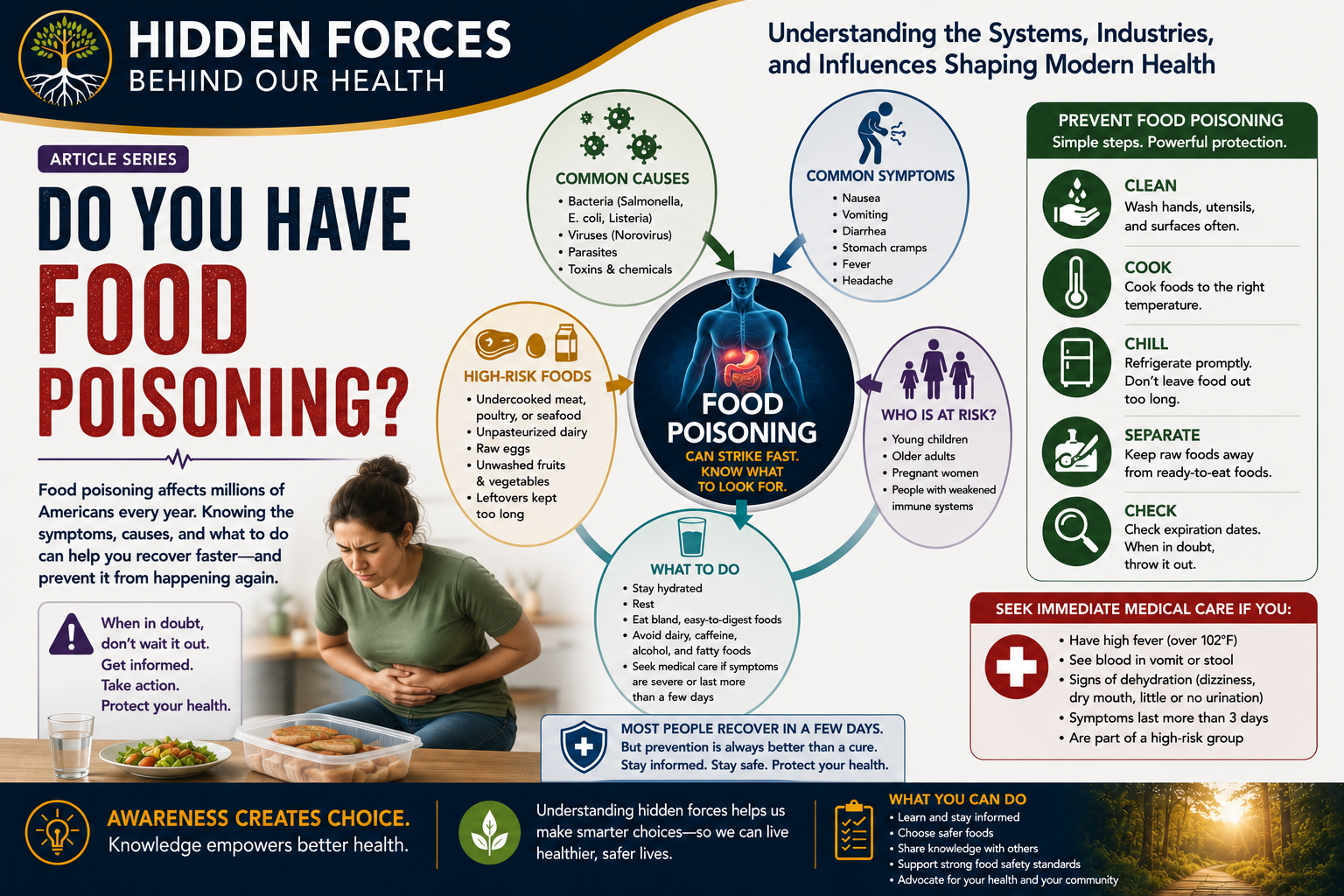
Most people think food poisoning happens from eating contaminated food. This type of illness has many symptoms and should be taken seriously.
But there’s another type of food poisoning—less obvious, but just as harmful—affecting millions of Americans every day.
This harm stems from consuming the Standard American Diet (SAD)—heavily processed, calorie-dense, nutrient-poor foods—which has fueled a nationwide Food Health Crisis. Recognizing the impact of this daily 'poisoning' and learning how to change it are vital steps for your long-term health.
Dr. McDougall’s Color Picture Book: A Simple Guide to Eating Well
Dr. John McDougall explains this concept in his short, visual e‑book:
Food Poisoning: How to Cure It by Eating Beans, Corn, Pasta, Potatoes, Rice, etc.
The book uses the familiar traffic light system to make healthy eating simple:
- Green Light Foods – Eat freely
- Yellow Light Foods – Use caution
- Red Light Foods – Avoid (except on rare occasions)
This clear guide explains why many people are overweight, sick, and struggling—and how quickly things improve with “green light” foods.
It’s free, accessible, and ideal for sharing with friends, family, and co‑workers.
The McDougall Diet in Three Simple Truths
The foundation of the McDougall approach is refreshingly straightforward:
- It is based on starches, supported by vegetables and fruits.
- It contains no animal foods and no added vegetable oils.
- It allows salt, sugar, and spices for taste and practicality.
You can download the FREE Color Picture Book PDF and explore the full guide through Dr. McDougall’s Education and Healthy Solutions.
A Prescription for a Longer, Healthier Life
Scientific research shows diets rich in whole, plant-based foods can help prevent—and often reverse—chronic diseases such as:
- Heart disease
- Type 2 diabetes
- Obesity
- Certain cancers
More physicians than ever are recommending a fully plant-based diet to their patients because of the consistent and powerful results.
Download the Health Picture Book—it’s FREE
Dr. McDougall’s Color Picture Book via Dr. McDougall's Education and Healthy Solutions
Live a long, healthy life
Science confirms that a diet rich in whole plant-based foods can support well-being. More physicians are recommending plant-based diets to patients facing health challenges. The following resources offer guidance to get started on your plant-based journey.
What you can do now
- Join the Physicians Committee's 21-Day Vegan Kickstart for meal plans, recipes, and advice from nutrition experts. This free service helps you take control of your health with a vegan diet.
- The Plant-Based Solution: America’s Healthy Heart Doc’s Plan to Power Your Health
- The China Study Solution: The Simple Way to Lose Weight and Reverse Illness, Using a Whole-Food, Plant-Based Diet
- How Not to Die: Discover the Foods Scientifically Proven to Prevent and Reverse Disease
- The Forks Over Knives Plan: How to Transition to the Lifesaving, Whole-Food, Plant-Based Diet
Conclusion
Food poisoning isn’t always dramatic or sudden. Many Americans are slowly harmed by a diet high in ultra‑processed, calorie-rich, nutrient-poor foods, resulting in a widespread health crisis. Encouragingly, the body responds when we shift to whole, plant-based foods. Health can improve quickly—energy rises, weight stabilizes, inflammation drops, and disease risk falls.
You don’t need perfection to benefit—only awareness and intention matter. By choosing more green-light foods, using Dr. McDougall’s framework, or trying a plant-based reset, you take steps toward better health. Each decision nourishes your future and supports the body’s natural ability to heal.
Author's Note
Thank you for taking the time to read this message. My goal in sharing this perspective isn’t to alarm you — it’s to offer clarity in a world where so many of us were never taught how deeply our daily food choices affect our long‑term wellbeing. When we understand the hidden forces behind our health struggles, we can stop blaming ourselves and start making choices that truly support our bodies.
If this article opened your eyes or encouraged you to rethink what “food poisoning” really means, I hope you’ll keep exploring, learning, and taking small steps toward a more nourishing way of living. You deserve a life filled with energy, clarity, and confidence — and it begins with the food on your plate.
— Robert
Continue The Conservation
Every wellness journey is unique, and we can learn a great deal from one another's experiences.
What stood out to you in this article?
Have you faced similar challenges, discovered helpful strategies, or gained insights of your own?
I invite you to share your thoughts in the comments below. Your experience may encourage someone else who is taking the next step on their own journey.
Remember, meaningful change often begins with a single step—and none of us has to walk the path alone.
Reference List
Ultra‑Processed Foods & Chronic Disease
- Hall, K. D., et al. “Ultra‑Processed Diets Cause Excess Calorie Intake and Weight Gain.” Cell Metabolism.
- Monteiro, C. A., et al. “The UN Decade of Nutrition, the NOVA Food Classification, and the Trouble with Ultra‑Processing.” Public Health Nutrition.
- Harvard T.H. Chan School of Public Health. “The Impact of Ultra‑Processed Foods on Health.”
Standard American Diet & Health Outcomes
- U.S. Department of Health and Human Services & U.S. Department of Agriculture. Dietary Guidelines for Americans, 2020–2025.
- Centers for Disease Control and Prevention (CDC). “Chronic Disease in America: The Burden.”
- National Institutes of Health (NIH). “What We Eat in America: NHANES Dietary Intake Data.”
Nutrition, Inflammation & Long‑Term Risk
- Harvard Medical School. “The Truth About Added Sugars.”
- Mayo Clinic. “Dietary Fiber: Essential for a Healthy Diet.”
- American Heart Association. “How Diet Influences Chronic Inflammation.”
Plant‑Based Diets & Disease Prevention
- McDougall, J. The Starch Solution.
- Esselstyn, C. B. Prevent and Reverse Heart Disease.
- Ornish, D. “Lifestyle Medicine and Reversing Chronic Disease.” Journal of the American College of Cardiology.
Food Environment & Consumer Behavior
- USDA Economic Research Service. “Food Availability and Consumption Patterns in the United States.”
- International Food Information Council (IFIC). “Food & Health Survey: Perceptions of Diet Quality.”
Disclaimer
The information provided in this article is for educational and informational purposes only and is not intended as medical, psychological, or professional advice. The content reflects general wellness principles and personal development concepts designed to encourage self-reflection and healthy lifestyle choices.
Individual circumstances vary, and readers should consult qualified healthcare professionals, mental health providers, or other appropriate experts regarding specific concerns or conditions. Never disregard professional advice or delay seeking help because of information contained in this article.
The author and publisher assume no responsibility for actions taken based on the information presented. Your health and well-being are ultimately your responsibility, and any changes to your lifestyle should be made thoughtfully and in consultation with appropriate professionals when necessary.
Very interesting. And I can see how vegans can get everything that non-vegans get from their sources. I will have to bookmark this and check it out later, in depth. Thanks for the share.